
Introduction to Nutraceutical Packaging
Nutraceuticals, a blend of nutrition and pharmaceuticals, have become increasingly popular as people seek healthier lifestyles. As the demand for these products grows, so does the need for effective and sustainable packaging. Packaging plays a crucial role in protecting the integrity, quality, and efficacy of nutraceutical products. However, traditional packaging materials, such as plastic, have significant environmental drawbacks. This is where PLA, or polylactic acid, comes into play. PLA is a biodegradable and bioactive thermoplastic derived from renewable resources like corn starch or sugarcane. Using PLA for nutraceutical packaging presents a sustainable alternative that can help reduce the environmental impact of the packaging industry.
Understanding PLA and Its Environmental Benefits
Polylactic acid (PLA) is an innovative material that is rapidly gaining traction in various industries, including nutraceutical packaging. Unlike conventional plastics derived from petroleum, PLA is produced from renewable plant sources. This shift from fossil fuels to renewable resources is a significant step towards reducing carbon emissions and dependence on non-renewable energy sources. PLA is compostable and biodegradable under industrial composting conditions, meaning it breaks down into natural components like water, carbon dioxide, and organic matter within a few months, rather than lingering in the environment for hundreds of years as traditional plastics do. This biodegradability reduces the burden on landfills and helps mitigate plastic pollution in oceans and other ecosystems.
The Role of HEIS Global in Sustainable Packaging
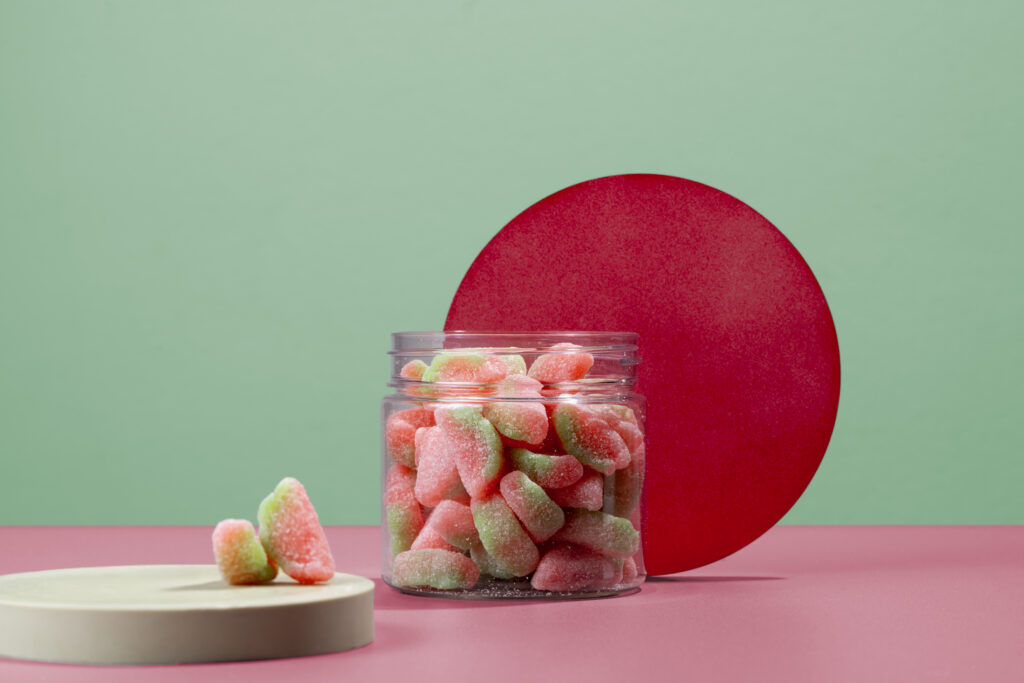
HEIS Global is at the forefront of promoting sustainable packaging solutions in the nutraceutical industry. They manufacture jars made from PLA, offering a practical and eco-friendly alternative to traditional plastic containers. These jars are designed to meet the specific needs of nutraceutical products, ensuring they remain protected from environmental factors while also being environmentally responsible. HEIS Global’s commitment to sustainability extends beyond just the materials they use. They are dedicated to promoting a circular economy by designing packaging that can be recycled or composted, thus reducing waste and conserving resources. By choosing HEIS Global’s PLA jars, nutraceutical companies can significantly lower their environmental footprint and align with consumer demands for more sustainable products.
Benefits of PLA Packaging for Nutraceuticals
Using PLA for nutraceutical packaging provides several benefits. Firstly, it ensures product safety and quality. PLA has excellent barrier properties, protecting nutraceuticals from moisture, oxygen, and other environmental factors that can degrade their potency. Secondly, it enhances brand image. Consumers today are more environmentally conscious and prefer brands that prioritize sustainability. Offering products in PLA packaging can help nutraceutical companies attract and retain eco-conscious customers. Lastly, it contributes to a healthier planet. By choosing biodegradable and compostable packaging, companies help reduce plastic pollution, lower greenhouse gas emissions, and promote the use of renewable resources.
Challenges and Future Prospects of PLA Packaging
Despite its many benefits, PLA packaging does have some challenges. One of the main issues is the need for industrial composting facilities to properly degrade PLA. While PLA is compostable, it requires specific conditions, such as high temperatures and controlled microbial activity, which are typically found in industrial composting facilities. Unfortunately, access to these facilities is limited in many regions, making it difficult for consumers to compost PLA packaging effectively. Additionally, the production of PLA still involves some energy and resource inputs, though these are significantly lower compared to conventional plastics. However, ongoing research and development are continually improving the efficiency and scalability of PLA production processes. As technology advances and infrastructure for composting expands, the adoption of PLA packaging is expected to increase, further solidifying its role in sustainable packaging solutions.
Conclusion: Embracing a Sustainable Future
The transition to PLA for nutraceutical packaging is a crucial step towards a more sustainable and environmentally friendly future. Companies like HEIS Global are leading the way by providing high-quality, eco-friendly packaging solutions that meet the needs of both consumers and the planet. By choosing PLA packaging, nutraceutical brands can not only ensure the safety and efficacy of their products but also demonstrate their commitment to sustainability. This shift not only benefits the environment but also helps companies build stronger relationships with eco-conscious consumers, ultimately contributing to a more sustainable and resilient industry.