
Introduction
In recent years, sustainability has become a crucial consideration in various industries, including pharmaceuticals. Sustainable packaging solutions are essential to reduce environmental impact, improve resource efficiency, and promote a circular economy. One innovative solution gaining traction is the use of Polylactic Acid (PLA), a biodegradable and bio-based polymer. This article delves into the significance of sustainable packaging, particularly focusing on PLA, and its implications for the pharmaceutical industry.
The Need for Sustainable Packaging
The pharmaceutical industry is traditionally known for its reliance on plastic packaging due to its durability, lightweight, and protective properties. However, this dependency on conventional plastics, primarily derived from fossil fuels, poses significant environmental challenges. Plastics are non-biodegradable and contribute to pollution and landfill accumulation. The production of plastics is also associated with high carbon emissions. In light of these concerns, there is a pressing need to transition to sustainable packaging alternatives that minimize environmental impact while maintaining the stringent standards required for pharmaceutical products.
What is PLA?
Polylactic Acid (PLA) is a biodegradable thermoplastic derived from renewable resources such as corn starch or sugarcane. PLA has gained popularity as an eco-friendly alternative to conventional plastics due to its compostability and lower carbon footprint. The production process of PLA involves the fermentation of plant-derived sugars to produce lactic acid, which is then polymerized to form PLA. This process is more sustainable compared to the extraction and processing of petroleum-based plastics, as it relies on renewable resources and produces fewer greenhouse gases.
Benefits of PLA in Pharmaceutical Packaging
Environmental Benefits
PLA’s primary advantage lies in its environmental benefits. Being biodegradable, PLA packaging can break down into natural components under industrial composting conditions, reducing plastic waste and its associated environmental hazards. PLA’s production also consumes less energy and generates fewer carbon emissions compared to traditional plastics, making it a more sustainable choice.
Safety and Compliance
In the pharmaceutical industry, packaging materials must meet stringent safety and regulatory requirements. PLA has demonstrated excellent compatibility with these requirements, including stability, non-toxicity, and the ability to provide adequate protection for pharmaceutical products. It is also resistant to moisture and has good barrier properties, essential for preserving the integrity and efficacy of medications.
Versatility and Customizability
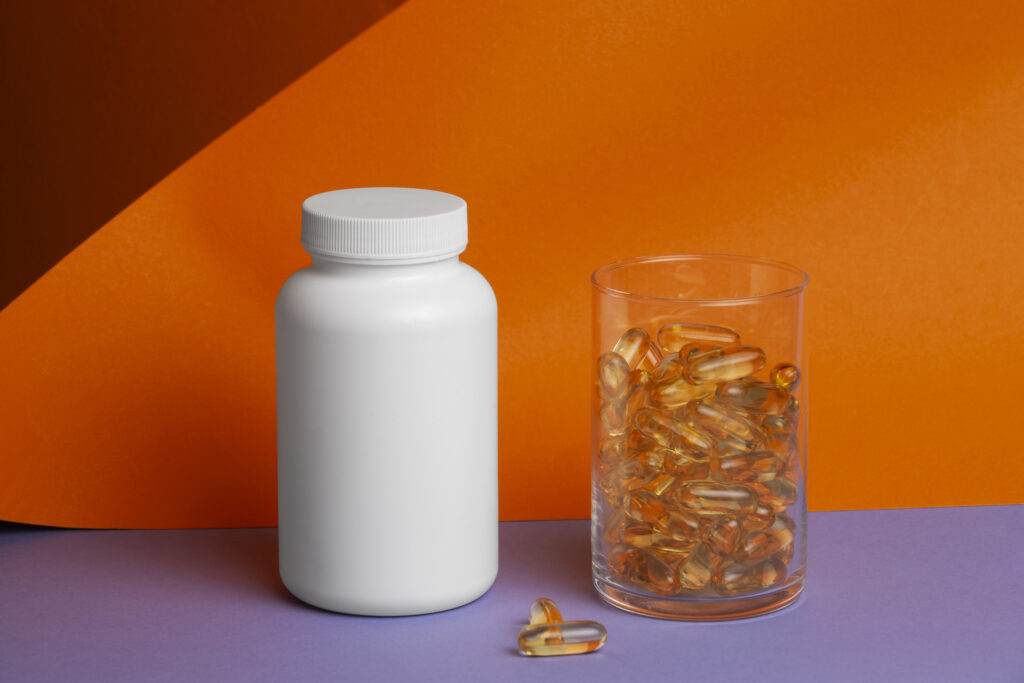
PLA is highly versatile and can be molded into various shapes and forms, making it suitable for a wide range of pharmaceutical packaging applications, including blister packs, bottles, and syringes. Its mechanical properties can be tailored to meet specific packaging needs, ensuring both functionality and sustainability. The ability to customize PLA packaging helps pharmaceutical companies maintain their brand identity while adopting eco-friendly practices.
Challenges and Considerations
While PLA offers numerous benefits, there are challenges associated with its use in the pharmaceutical industry. One of the primary concerns is the cost of PLA compared to conventional plastics. Although prices are decreasing as production scales up, PLA remains relatively more expensive. Additionally, the industrial composting infrastructure required to process PLA is not widely available, which can limit its end-of-life disposal options. Despite these challenges, ongoing research and technological advancements are expected to enhance the feasibility and adoption of PLA in pharmaceutical packaging.
Conclusion
Sustainable packaging is critical for the pharmaceutical industry to reduce its environmental footprint and contribute to global sustainability goals. PLA, with its biodegradability, renewable sourcing, and compliance with safety standards, emerges as a promising solution. While there are challenges to overcome, the benefits of PLA in terms of environmental impact, safety, and versatility make it a valuable component of sustainable pharmaceutical packaging strategies.