
The packaging industry is undergoing a significant transformation as sustainability becomes a key priority. Among the emerging solutions, Polylactic Acid (PLA) has gained prominence for its eco-friendly properties. This article explores in depth the role of PLA in pharmaceutical and nutraceutical packaging, highlighting its importance, benefits, and future potential.
Understanding PLA: An Eco-Friendly Alternative
Polylactic Acid (PLA) is a biodegradable and bioactive thermoplastic derived from renewable resources such as corn starch or sugarcane. Unlike conventional plastics, which are petroleum-based, PLA’s origin from natural sources significantly enhances its environmental profile. Under industrial composting conditions, PLA decomposes into carbon dioxide and water, making it a sustainable alternative to traditional plastics.
Advantages of PLA in Packaging
PLA offers numerous advantages that make it suitable for packaging applications, particularly in the pharmaceutical and nutraceutical sectors. Its biodegradability ensures minimal environmental impact, aligning with global sustainability goals. PLA also possesses excellent mechanical properties, such as clarity, strength, and stability, which are crucial for maintaining the integrity and shelf-life of sensitive products like medications and supplements.
Regulatory Compliance and Safety
In the pharmaceutical and nutraceutical industries, packaging materials must adhere to stringent safety and regulatory standards. PLA has been approved by various health and safety authorities, including the FDA, for use in contact with food and pharmaceuticals. Its non-toxic nature ensures that it does not leach harmful substances into the products it encases, safeguarding consumer health.
Barrier Properties and Shelf Life
One of the critical aspects of pharmaceutical and nutraceutical packaging is protecting the contents from moisture, oxygen, and light, which can degrade the product’s efficacy. PLA, when combined with suitable additives or coatings, can offer enhanced barrier properties. Innovations in PLA formulations have resulted in materials that can effectively extend the shelf life of packaged products, ensuring their potency and safety until consumption.
Sustainability and Environmental Impact
The environmental benefits of PLA extend beyond its biodegradability. The production process of PLA generally results in lower greenhouse gas emissions and reduced energy consumption compared to conventional plastics. Additionally, the use of renewable resources for its production helps conserve fossil fuels. These factors collectively contribute to a reduced carbon footprint, making PLA a cornerstone of sustainable packaging strategies.
Challenges and Innovations
Despite its many advantages, PLA faces challenges, such as lower thermal resistance and slower degradation in natural environments compared to other bioplastics. However, ongoing research and development are addressing these issues. Innovations such as blending PLA with other biodegradable polymers or incorporating advanced additives are enhancing its thermal stability and biodegradation rate, broadening its applicability.
Economic Viability
The cost of PLA has been a point of contention, as it has historically been higher than conventional plastics. However, increasing demand, technological advancements, and economies of scale are gradually reducing production costs. As the market for sustainable packaging grows, PLA is becoming more economically viable, making it a competitive option for pharmaceutical and nutraceutical packaging.
PLA in Pharmaceutical Packaging
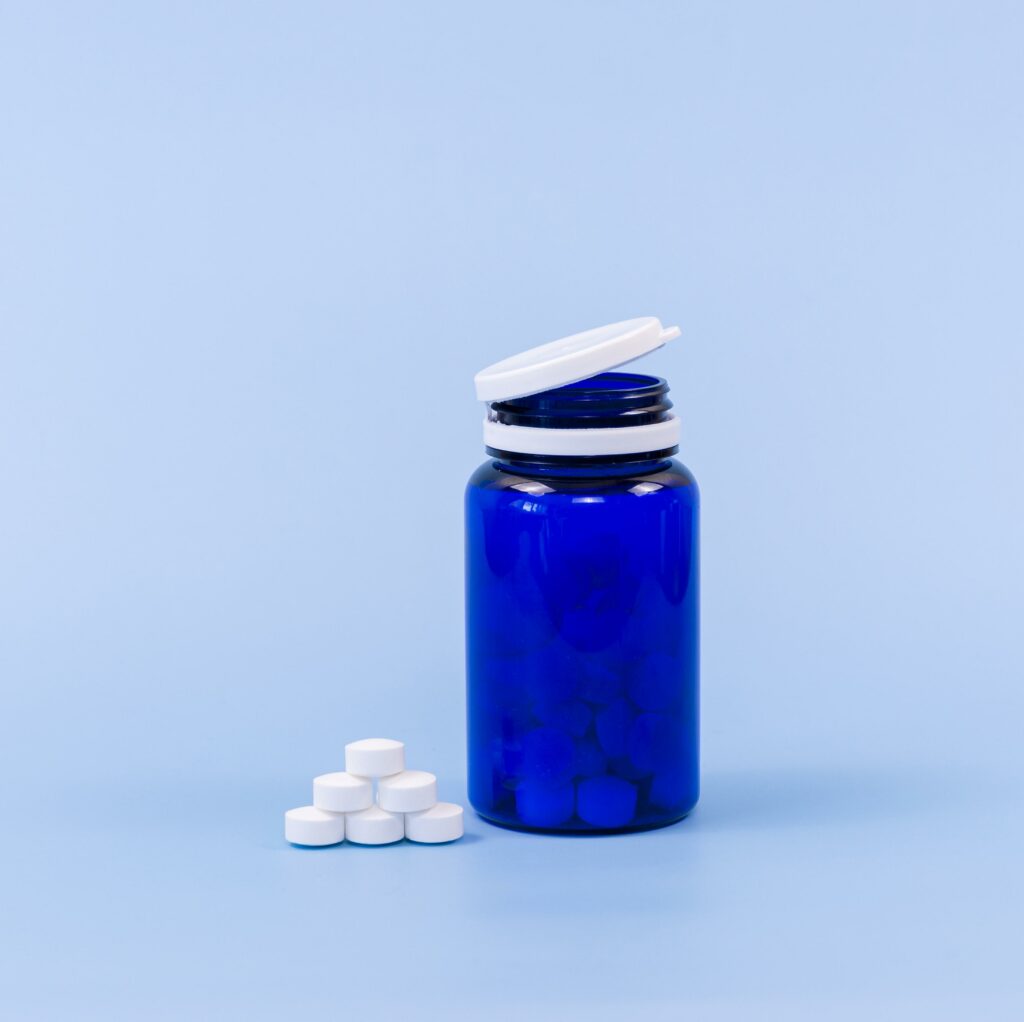
Pharmaceutical packaging requires materials that ensure product safety, efficacy, and compliance with regulatory standards. PLA meets these requirements while also offering environmental benefits. It is used in various pharmaceutical packaging applications, including blister packs, bottles, and vials. Its clarity allows for easy inspection of the contents, and its robustness ensures protection during transportation and storage.
PLA in Nutraceutical Packaging
Nutraceuticals, which include dietary supplements, functional foods, and herbal products, benefit from PLA packaging due to its ability to preserve product quality and extend shelf life. The sustainability aspect of PLA resonates with the health-conscious consumer base of the nutraceutical market. PLA’s versatility enables its use in a wide range of packaging formats, from capsules and tablet bottles to flexible pouches and sachets.
Consumer Perception and Market Trends
The growing consumer preference for eco-friendly products is driving the adoption of PLA in packaging. Consumers are increasingly aware of the environmental impact of their purchases and are opting for products that align with their values. This shift in consumer behavior is influencing pharmaceutical and nutraceutical companies to adopt PLA packaging as a means to enhance their brand image and appeal to environmentally conscious consumers.
Future Outlook and Potential
The future of PLA in pharmaceutical and nutraceutical packaging looks promising. Continuous improvements in PLA technology and a strong push towards sustainability are likely to expand its applications. Collaborative efforts between researchers, manufacturers, and regulatory bodies will further refine PLA’s properties and ensure its widespread adoption. As the industry moves towards a circular economy, PLA is poised to play a crucial role in achieving sustainable packaging solutions.
Conclusion
PLA represents a significant advancement in sustainable packaging, particularly for the pharmaceutical and nutraceutical industries. Its eco-friendly nature, coupled with its ability to meet regulatory and safety standards, makes it an ideal choice for these sectors. As technological innovations continue to enhance its properties and cost-effectiveness, PLA is set to become a mainstay in the packaging world, contributing to a greener and more sustainable future.