


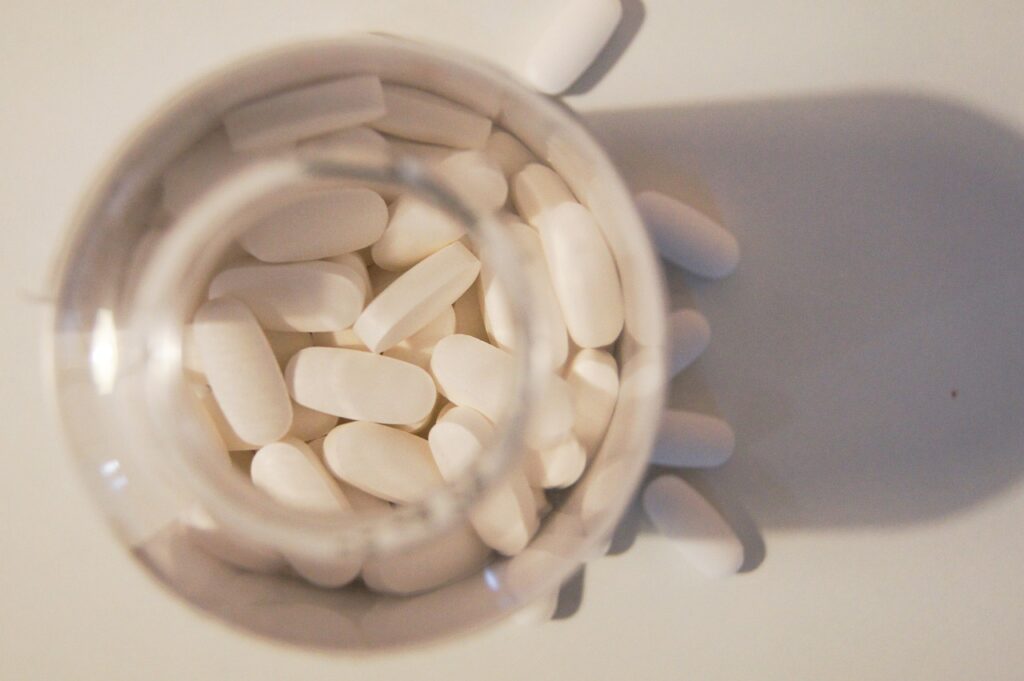
In an ever-evolving world where environmental consciousness has become a central concern, sustainability has found its way into the heart of even the most traditionally conservative industries. The pharmaceutical industry, notorious for its rigorous safety and regulatory standards, is no exception. One of the pivotal innovations making waves in this sector is RPET (Recycled Polyethylene Terephthalate) packaging, a sustainable solution that’s revolutionizing the pharmaceutical packaging landscape.
Understanding RPET Packaging
Let’s start by delving into what RPET packaging actually is. RPET is a form of plastic packaging derived from the recycling of Polyethylene Terephthalate (PET) plastics. PET plastics are commonly used in a wide range of consumer products, including water bottles, food containers, and even polyester clothing. RPET is essentially a second life for these plastics, as they are collected, processed, and then transformed into packaging materials for a new range of products.
The Environmental Imperative
The pharmaceutical industry, by its very nature, generates vast amounts of waste and consumes substantial energy and resources in the production of medication and medical equipment. Consequently, it has long been viewed as a substantial contributor to environmental issues. Traditional pharmaceutical packaging, characterized by single-use plastics and excessive materials, has been at the center of these concerns. Recognizing the environmental imperative, pharmaceutical companies have been actively seeking alternatives to lessen their environmental impact.
Advantages of RPET in Pharmaceutical Packaging
RPET packaging offers a host of benefits for the pharmaceutical industry, making it a compelling choice for companies looking to implement more sustainable packaging solutions:
1. Reduced Carbon Footprint: Perhaps the most significant advantage is the substantial reduction in carbon emissions. RPET packaging relies on recycled materials, which consume far less energy and emit fewer greenhouse gases compared to the production of virgin plastics.
2. Minimized Landfill Waste: By using recycled PET, RPET packaging significantly reduces the amount of plastic waste ending up in landfills. This aligns with the global shift towards circular economies and zero-waste goals.
3. Compatibility with Pharmaceutical Products: Safety is paramount in the pharmaceutical industry. RPET packaging materials are rigorously tested to ensure they meet the industry’s high standards for product safety and sterility.
Innovative RPET Designs
RPET packaging isn’t just about sustainability; it’s about innovation too. Creative and functional designs are revolutionizing the way pharmaceutical products are packaged:
1. Child-Resistant RPET Containers: Companies are developing child-resistant RPET containers for medications that require extra safety measures.
2. Easy-to-Use Packaging: User-friendliness is a top priority. Ergonomic RPET packaging designs enhance the user experience without compromising safety.
3. Integration of Smart Technology: Some pharmaceutical companies are exploring the integration of smart technology into RPET packaging for improved medication adherence and tracking.
Challenges and Future Prospects
Despite its many advantages, RPET packaging is not without its challenges. The main issues revolve around cost, regulatory compliance, and the need for further technological development:
1. Cost: RPET packaging can be slightly more expensive than traditional options. However, this cost difference is becoming narrower as recycling and processing technologies improve.
2. Regulatory Compliance: Ensuring RPET packaging complies with pharmaceutical regulations and standards is a complex process. Companies must navigate a labyrinth of regulations to ensure their packaging is safe and effective.
3. Technological Advancements: Ongoing research and development are critical to overcoming these challenges and improving RPET materials’ performance and cost-effectiveness.
Regulations and Compliance
Pharmaceutical packaging is subject to stringent regulations to ensure the safety and efficacy of the medications contained within. As RPET packaging gains traction, it is imperative that it aligns with these regulations:
- Safety and Quality Assurance: Ensuring that RPET packaging meets safety and quality standards is a primary concern. The packaging must not compromise the efficacy of the medication or pose health risks to patients.
- Environmental Regulations: In addition to pharmaceutical regulations, companies need to comply with environmental regulations related to the use of recycled materials and sustainability practices.
Consumer Awareness and the Importance of Eco-Friendly Packaging
An informed and conscious consumer base is a driving force behind the shift towards sustainable pharmaceutical packaging. Consumers are becoming increasingly aware of the impact their choices have on the environment and public health. Here are some ways consumers can contribute to this movement:
- Choose Sustainable Brands: Support pharmaceutical companies that prioritize sustainable packaging.
- Proper Disposal: Follow local recycling guidelines to ensure that RPET packaging is recycled appropriately.
- Advocate for Change: Consumers can use their voice and purchasing power to encourage pharmaceutical companies to adopt more sustainable practices.
Conclusion
In conclusion, RPET packaging is a powerful catalyst for change in the pharmaceutical industry. Its ability to reduce carbon emissions, minimize landfill waste, and improve the environmental performance of pharmaceutical companies is nothing short of revolutionary. While there are challenges to overcome, the potential for RPET to become the standard for pharmaceutical packaging is bright. As pharmaceutical companies and consumers alike recognize the importance of sustainable packaging, RPET is set to play an even more significant role in reducing the industry’s ecological footprint. This shift is not just about being eco-friendly; it’s about enhancing the health and well-being of both individuals and the planet.