
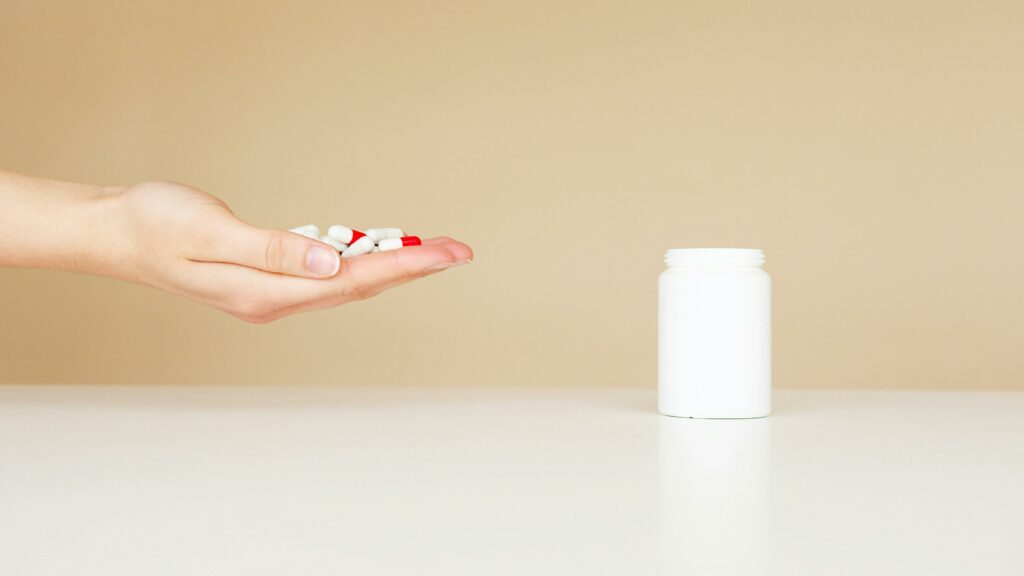
In recent years, the pharmaceutical industry has been undergoing a significant shift towards more sustainable packaging solutions. One of the emerging stars in this arena is PLA (polylactic acid) jars. PLA is a biodegradable and compostable polymer derived from renewable resources such as corn starch or sugarcane. Its eco-friendly properties make it an attractive option for pharmaceutical companies looking to reduce their carbon footprint and meet the growing consumer demand for sustainable products.
Manufacturing Process of PLA Jars
The manufacturing process of PLA jars involves several steps. First, the PLA resin is produced by fermenting plant sugars to create lactic acid, which is then polymerized to form PLA pellets. These pellets are then melted and injected into molds to produce the desired jar shape. Once cooled, the jars undergo quality control checks to ensure they meet the required standards for strength, durability, and purity. Finally, they are ready to be filled with pharmaceutical products and distributed to the market.
Advantages of PLA Jars Packaging
PLA jars offer several advantages over traditional packaging materials such as glass or petroleum-based plastics. Firstly, they are biodegradable and compostable, meaning they can break down into natural elements in composting facilities, reducing landfill waste. Secondly, PLA jars are lightweight yet durable, making them ideal for shipping and transportation. Additionally, PLA is transparent, allowing consumers to see the contents of the jar, which is particularly important in the pharmaceutical industry where product visibility is crucial.
PLA Caps: Complementing Sustainable Packaging
In addition to PLA jars, pharmaceutical companies are also turning to PLA caps to complete their sustainable packaging solutions. PLA caps are made from the same renewable resources as PLA jars and offer similar environmental benefits. They provide a secure seal to protect the integrity of the pharmaceutical products inside while also being easy to open and close for consumers. Furthermore, PLA caps can be customized with various colors and designs to enhance brand identity and shelf appeal.
Challenges and Considerations
While PLA jars and caps offer many advantages, there are also some challenges and considerations to be aware of. One challenge is the higher cost of PLA compared to traditional plastics, which can impact the overall production cost of pharmaceutical packaging. Additionally, PLA has certain limitations in terms of heat resistance and barrier properties, which may not make it suitable for all types of pharmaceutical products. It’s essential for pharmaceutical companies to carefully evaluate their specific packaging needs and requirements before transitioning to PLA packaging.
Conclusion: Embracing Sustainable Solutions
In conclusion, PLA jars and caps are gaining popularity in the pharmaceutical industry as more companies prioritize sustainability and environmental responsibility. By investing in PLA packaging, pharmaceutical companies can reduce their carbon footprint, minimize waste, and appeal to eco-conscious consumers. However, it’s essential to weigh the advantages and challenges of PLA packaging and consider factors such as cost, performance, and product compatibility. Overall, embracing sustainable packaging solutions like PLA is not only beneficial for the environment but also for the long-term success and reputation of pharmaceutical brands.