
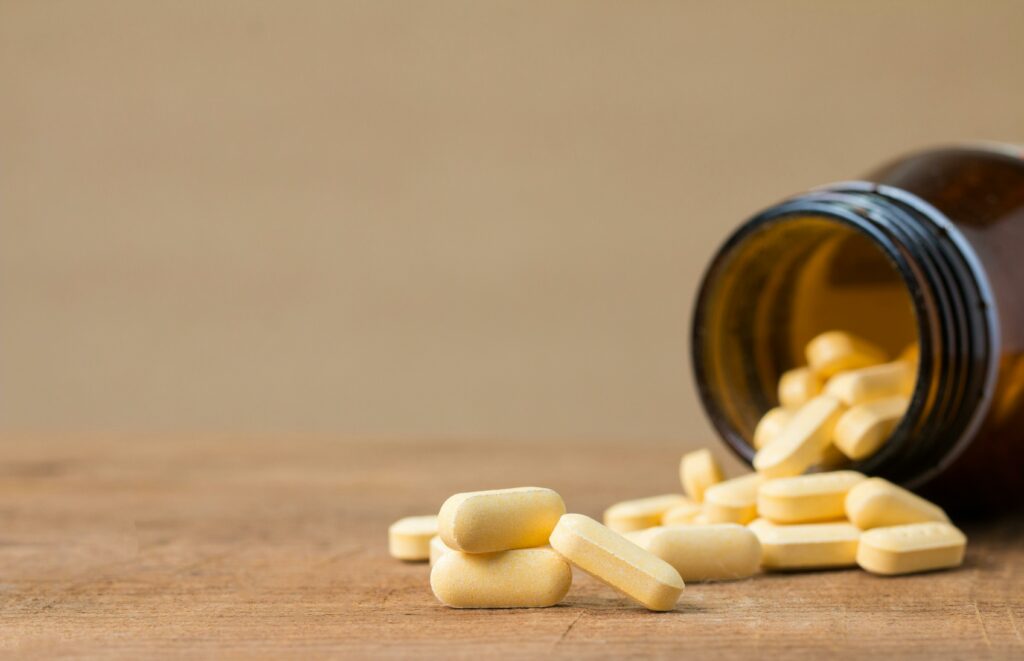
In the realm of health and wellness, the role of vitamins, minerals, and supplements (VMS) cannot be overstated. They are essential components in maintaining overall health, filling in nutritional gaps, and supporting specific bodily functions. However, the efficacy and safety of these products are not solely determined by their contents; packaging also plays a crucial role, particularly in preserving potency, ensuring quality, and providing consumer convenience. In this article, we delve into the significance of VMS packaging in the pharmaceutical and nutraceutical industry, shedding light on the importance of materials like polylactic acid (PLA).
Preservation of Potency
The effectiveness of VMS products heavily relies on the preservation of their potency. Exposure to factors like light, moisture, and oxygen can degrade the active ingredients, rendering them less effective or even harmful. Quality packaging, designed to provide a barrier against these elements, is indispensable in maintaining the potency of VMS products from production to consumption.
Ensuring Quality and Safety
VMS packaging serves as a protective shield, safeguarding the products from contamination and tampering. Quality packaging materials and designs not only prevent physical damage but also deter unauthorized access, ensuring the integrity and safety of the contents. This is especially crucial in the pharmaceutical industry, where strict adherence to quality standards is imperative.
Consumer Convenience and Compliance
Convenience is a key factor driving consumer preferences in the VMS market. Packaging that is easy to use, transport, and store enhances the overall consumer experience. Additionally, packaging plays a role in promoting compliance with dosage instructions. Features such as clear labeling, dosage indicators, and single-dose packaging make it easier for consumers to adhere to recommended usage guidelines.
The Role of PLA Material in VMS Packaging
Polylactic acid (PLA), a biodegradable and renewable polymer derived from plant sources like cornstarch or sugarcane, is gaining traction as a sustainable alternative in VMS packaging. Its eco-friendly properties make it an attractive choice for companies looking to reduce their environmental footprint. PLA offers comparable barrier properties to traditional petroleum-based plastics, effectively protecting VMS products while minimizing environmental impact.
Environmental Sustainability
The use of PLA in VMS packaging aligns with the growing demand for environmentally sustainable solutions in the pharmaceutical and nutraceutical industries. As consumers become more environmentally conscious, companies are under increasing pressure to adopt sustainable practices throughout their supply chains, including packaging. PLA offers a viable solution to reduce reliance on fossil fuels and mitigate plastic pollution, contributing to a more sustainable future.
Challenges and Considerations
Despite its numerous benefits, the widespread adoption of PLA in VMS packaging faces certain challenges. These include higher production costs compared to conventional plastics, limited availability of raw materials, and concerns regarding compostability in certain waste management systems. Addressing these challenges requires collaboration across the industry to innovate and optimize the use of PLA while ensuring economic feasibility and environmental efficacy.
Conclusion
Vitamins, minerals, and supplements play a vital role in promoting health and well-being, and the packaging of these products is equally important in ensuring their efficacy, safety, and consumer satisfaction. As the pharmaceutical and nutraceutical industries continue to evolve, the adoption of sustainable packaging materials like PLA represents a significant step towards meeting consumer demands for both efficacy and environmental responsibility.