
Packaging plays a critical role in the nutraceutical and pharmaceutical industries, ensuring the safety, efficacy, and longevity of products. In recent years, the focus has increasingly shifted towards sustainable and eco-friendly packaging solutions. One material that has garnered significant attention is polylactic acid (PLA). Derived from renewable resources such as corn starch or sugarcane, PLA offers a biodegradable alternative to conventional petroleum-based plastics. This article explores the application of PLA in nutraceutical and pharmaceutical packaging, highlighting its benefits, challenges, and future prospects.
PLA in Nutraceutical Packaging
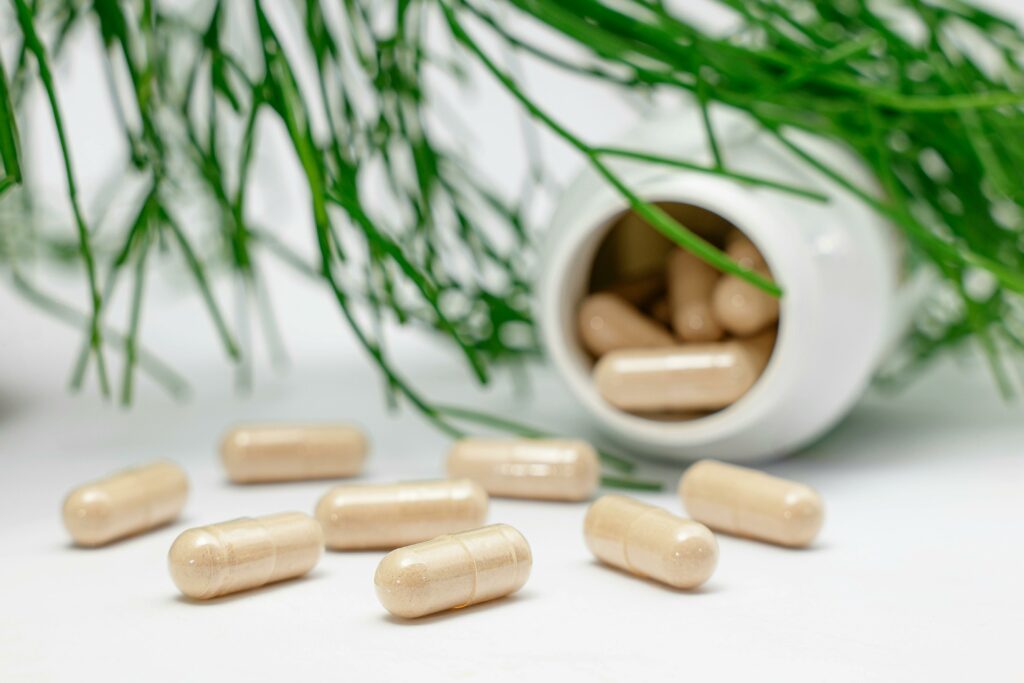
Nutraceuticals, which include dietary supplements, functional foods, and herbal products, are particularly sensitive to packaging due to their biological nature. The use of PLA in nutraceutical packaging offers several advantages. Firstly, PLA is biodegradable and compostable, making it an environmentally friendly choice that aligns with the growing consumer demand for sustainable products. The disposal of PLA packaging reduces the environmental footprint compared to traditional plastics, which can persist in the environment for hundreds of years.
Secondly, PLA provides an excellent barrier to moisture and oxygen, which is crucial for maintaining the stability and shelf life of nutraceutical products. These products often contain sensitive compounds that can degrade when exposed to air and humidity. PLA’s barrier properties help in preserving the potency and quality of the contents, ensuring that consumers receive the intended health benefits.
Additionally, the aesthetic appeal of PLA cannot be overlooked. Nutraceutical products packaged in PLA stand out on the shelves due to the material’s clear, glossy appearance. This visual appeal can enhance brand perception and attract environmentally conscious consumers. Moreover, PLA can be molded into various shapes and sizes, offering flexibility in packaging design to meet specific branding and functional requirements.
PLA in Pharmaceutical Packaging
The pharmaceutical industry is highly regulated, with stringent requirements for packaging materials to ensure product safety and efficacy. PLA’s use in pharmaceutical packaging is an emerging trend, driven by the industry’s shift towards sustainable practices. One of the primary advantages of PLA in this sector is its biocompatibility. PLA is non-toxic and does not leach harmful substances, making it safe for direct contact with pharmaceuticals.
Moreover, PLA’s biodegradability addresses a significant environmental concern associated with pharmaceutical waste. Traditional pharmaceutical packaging often ends up in landfills or as environmental pollutants. PLA’s compostable nature offers a solution to this problem, contributing to reduced waste and promoting a circular economy.
However, the adoption of PLA in pharmaceutical packaging is not without challenges. The material’s thermal stability is a concern, as PLA tends to degrade at high temperatures. This can be problematic during the sterilization process, which is essential for ensuring the sterility of pharmaceutical products. Advances in PLA formulations and the development of co-polymers are being explored to enhance its thermal stability and broaden its applicability in pharmaceutical packaging.
Another consideration is the regulatory approval process. The pharmaceutical industry operates under strict regulations, and any new packaging material must undergo rigorous testing and validation. PLA-based packaging must meet these stringent criteria to ensure it does not compromise the safety, efficacy, or shelf life of the pharmaceutical products.
Future Prospects and Innovations
The future of PLA in nutraceutical and pharmaceutical packaging looks promising, with ongoing research and development aimed at overcoming current limitations and enhancing its properties. Innovations in PLA production, such as the use of genetically modified organisms (GMOs) for more efficient lactic acid production, are expected to reduce costs and improve the material’s performance.
Furthermore, the development of PLA composites and blends can address specific challenges such as thermal stability and mechanical strength. By combining PLA with other biodegradable materials or additives, manufacturers can tailor the properties of the packaging to meet the demands of different applications.
The adoption of PLA is also likely to benefit from increasing consumer awareness and demand for sustainable products. As more companies commit to reducing their environmental impact, PLA’s role in packaging will continue to expand. Regulatory frameworks are also evolving to support the use of biodegradable materials, providing a conducive environment for PLA adoption.
Conclusion
In conclusion, the use of PLA in nutraceutical and pharmaceutical packaging presents a viable and sustainable alternative to traditional plastics. Its biodegradability, excellent barrier properties, and aesthetic appeal make it an attractive choice for nutraceuticals, while its biocompatibility and environmental benefits hold promise for pharmaceutical applications. Despite the challenges, ongoing innovations and a favorable regulatory landscape are likely to drive the increased adoption of PLA in these industries, contributing to a more sustainable future.